Mostrando postagens com marcador Marketing. Mostrar todas as postagens

quinta-feira, 14 de dezembro de 2017

Pulo do Gato em Vendas ou em qualquer lugar

Por Max Gehringer

EXAME 

Qualquer empresa que tenha uma equipe de vendedores sempre esbarra num obstáculo: um treinamento eficiente. A maneira mais simples, embora não a mais técnica, de resolver essa questão é deixar que os vendedores mais antigos treinem os novatos. Nossa empresa vinha adotando essa prática havia anos. E o que se percebia era que os vendedores novos mostravam entusiasmo, motivação e ambição, enquanto os antigos pareciam acomodados em sua rotina. Só havia um senão: sistematicamente, os veteranos conseguiam vender bem mais que os recém-chegados.

A queixa que mais ouvíamos, quando cobrávamos um desempenho melhor dos novos, era que os antigos lhes ensinavam tudo, menos o pulo-do-gato. Que era vagamente definido como "aquele algo mais" que só se adquire com a experiência e não se revela a ninguém. Quando essa história do pulo-do-gato começou a se tornar "o grande gargalo de treinamento" da área de vendas, nós tomamos uma decisão: em nossa convenção anual, iríamos ensinar aos nossos vendedores como, exata e minuciosamente, funcionava o pulo-do-gato.

A apresentação durou cerca de 30 minutos, e foi conduzida por um zoólogo especialmente convidado. E, de propósito, pedimos ao professor que desse à sua aula aquele tom acadêmico. Repetir tudo aqui ficaria meio monótono, mas, em resumo, os vendedores aprenderam que um gato, quando despenca no vazio, toma sete providências seqüenciais durante a queda:

1. O gato gira a cabeça, para que seus olhos fiquem paralelos ao solo, mesmo que o resto do corpo ainda esteja torto.

2. O rabo fica esticado na posição vertical, girando constantemente para auxiliar no equilíbrio.

3. As partes dianteira e traseira de um gato funcionam independentemente uma da outra. O gato então gira a coluna e alinha a parte dianteira do corpo com a cabeça.

4. A parte traseira é alinhada com a dianteira.

5. As quatro patas se emparelham, para que possam tocar o solo ao mesmo tempo.

6. A poucos centímetros do chão, o gato estica bem as patas e arqueia a coluna.

7. No exato momento em que toca o solo, o gato descontrai as patas e endireita a coluna.

A ação funciona como um perfeito amortecedor de impacto. E aí o bichano sai caminhando sossegado e sobranceiro, como os vendedores mais antigos faziam ao fim de cada dia.

Os vendedores anotaram tudo cuidadosamente, mas não entenderam nada. Foi aí que passamos para a parte prática. A turma achou um gato no hotel e começou a jogar o coitadinho lá de cima do telhado. E, aos poucos, os vendedores foram percebendo que o danado do gato só conseguia se safar sem um único arranhão em todos os pulos por uma única razão: ele jamais alterava sua sistemática, repetindo cada movimento na seqüência correta, qualquer que fosse o jeito com que era atirado ao ar. A conclusão era cristalina. O gato tinha, de sobra, o que faltava aos novos vendedores -- a obediência a uma metodologia. Quem é novo em vendas sempre fica com aquela impressão de que as coisas poderiam funcionar melhor de outro jeito. Só o tempo e os tombos ensinam que, em vendas, a disciplina é o pulo-do-gato.
 

quinta-feira, 10 de novembro de 2016

Best Business Books 2016


The "top shelf" picks in our Best Business Books 2016 roundup.


Technology

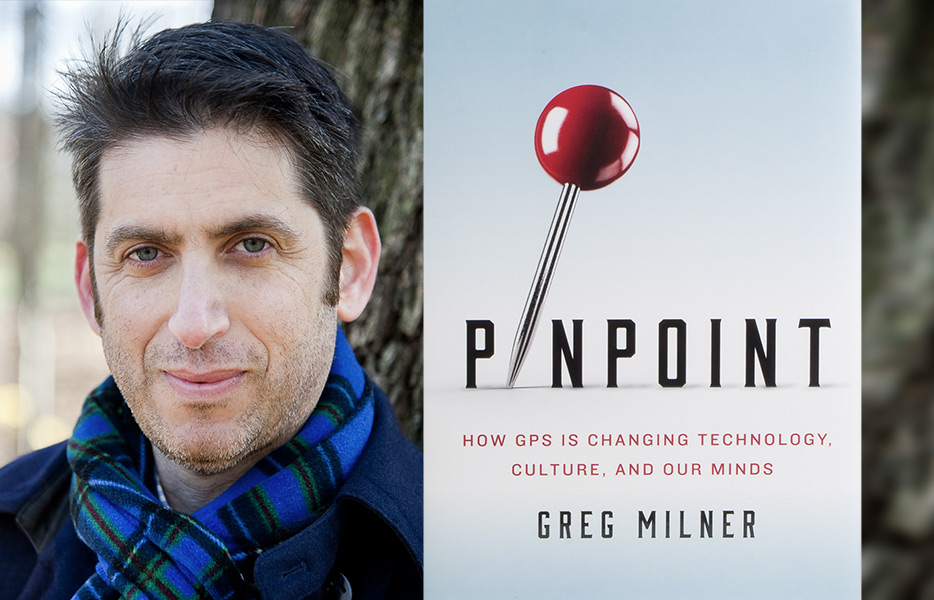
In Pinpoint: How GPS Is Changing Technology, Culture, and Our Minds (W.W. Norton, 2016), Greg Milner takes what might seem to be a mundane subject — the Global Positioning System — and tells an intricate story about the relationship between technology, the economy, and human ability. He also implicitly makes two crucial points about the nature of technological innovation. The first is that public investment in new technologies can create enormous spillover benefits for the economy as a whole. GPS would not exist, after all, had it not been for the Cold War, which spurred the U.S. government to invest heavily in technologies that were then repurposed for civilian use, including the transistor, the microprocessor, and GPS. The second lesson in Pinpoint, our choice for the best book of 2016 on technology, is that the value of powerful new technologies isn’t always apparent at the time they’re introduced. The U.S. Air Force, for instance, kept trying to kill funding for GPS, because it felt that navigation systems were already accurate enough. Milner shows that civilians grasped the real usefulness of GPS long before most of the military did. That’s why long-term, patient investments — whether on the part of the government or in the private sector — are so essential to technological progress.
—Adapted from “The Human Function,” by James Surowiecki

Talent & Leadership

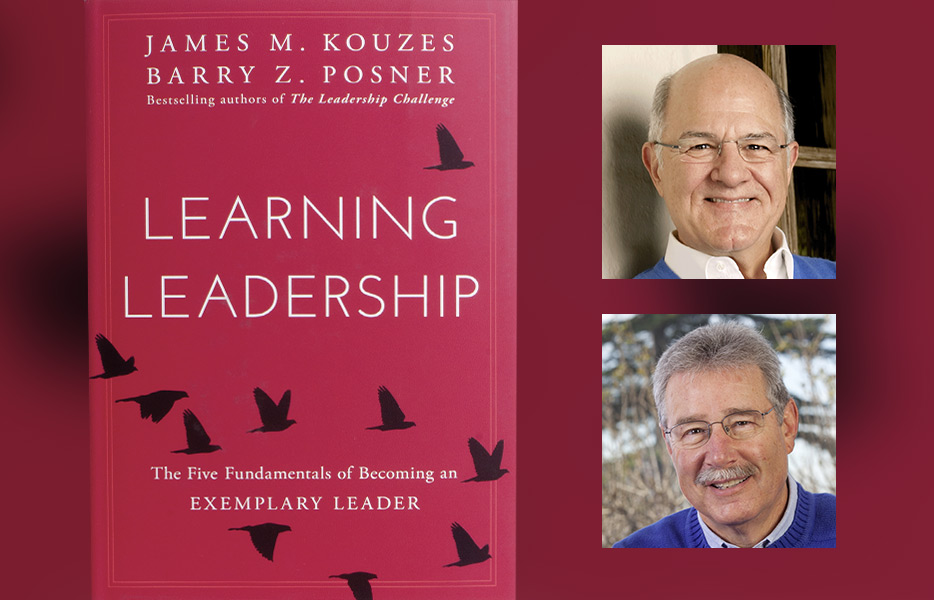
In addressing the perennial question of whether leaders are born or made, James M. Kouzes and Barry Z. Posner, the authors of Learning Leadership: The Five Fundamentals of Becoming an Exemplary Leader (Wiley, 2016), observe that they’ve never met a
leader who wasn’t born, which is to say that everyone has the ability to become a better leader. The “born leader” trope, in their view, is antithetical to the way real-life leaders operate. It functions as a fable or folk legend that discourages people at every level from working to become better leaders. Anyone with a desire to improve his or her own leadership skills can benefit from reading this deeply encouraging book, which is our choice for the best book of 2016 on talent and leadership.
—Adapted from “Thinking It Through,” by Sally Helgesen

Narratives

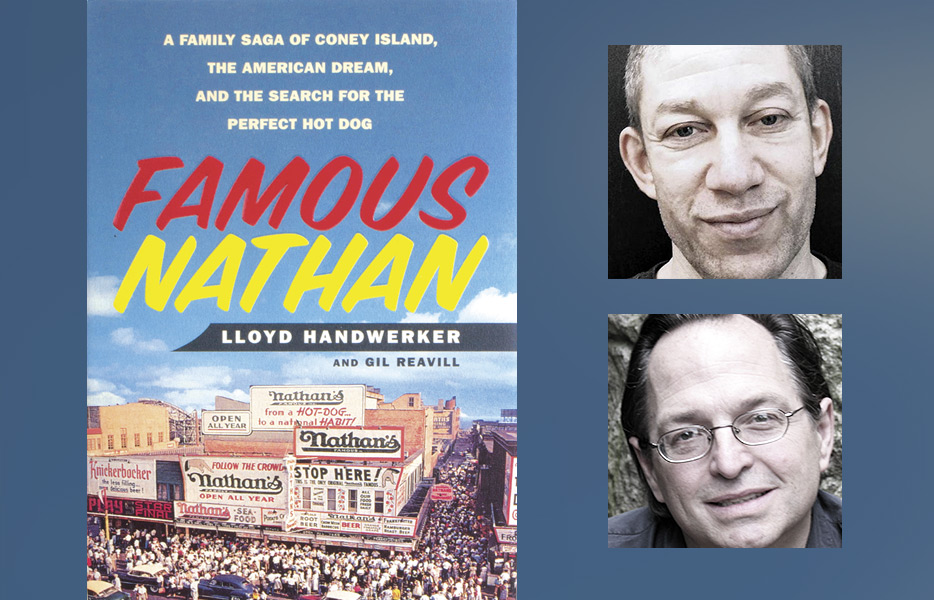
The development of Nathan’s Famous Hot dogs “represented a complicated kind of choreographed ballet,” write Lloyd Handwerker and Gil Reavill in Famous Nathan: A Family Saga of Coney Island, the American Dream, and the Search for the Perfect Hot Dog (Flatiron Books, 2016), whose details include the precise amount of water in the meat filling and the skills of a longtime employee who could serve 60 hot dogs a minute. Nathan Handwerker, who was born in Austrian-occupied Galicia, Poland, in 1892 and who emigrated to the U.S. in 1912, “was desperate to succeed,” his grandson writes in our choice for 2016’s best business book on narratives. And succeed he did. During its heyday of the 1950s, the business grossed $3 million annually. The success of Nathan’s Famous was “the direct result of one man’s will to excel, to be ever watchful, to devote himself to the proposition that quality can be gained and maintained only by ceaseless, unflagging effort,” writes his grandson. This simple story is elevated by the insight it offers into Nathan’s archetypal character, as well as by the rich historical context and lovely writing. Perhaps it takes a kind of brilliance to have the big idea, and another kind of brilliance to make it work.
—Adapted from “Turning Dreams into Reality,” by Bethany McLean

Management

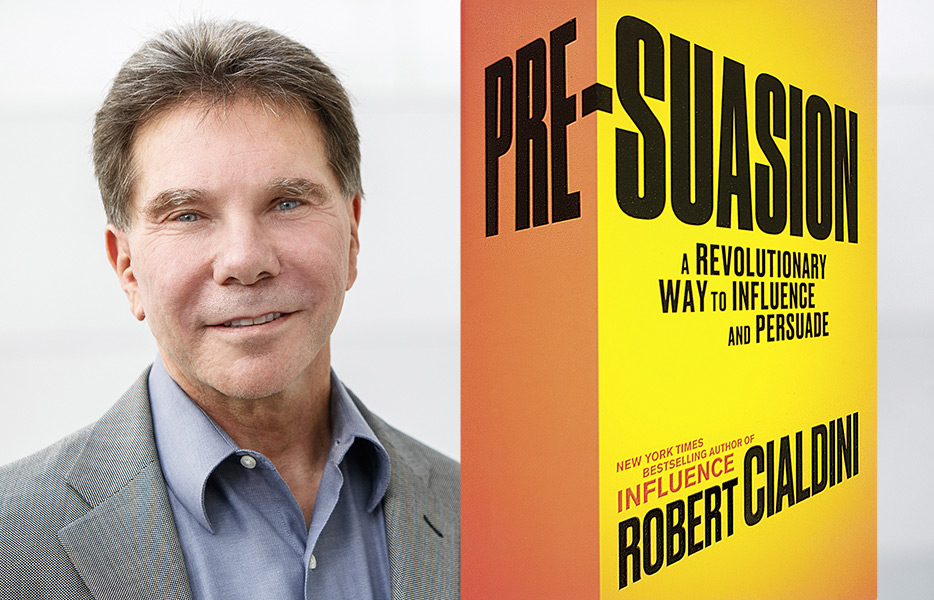
Our choice for best business book of 2016 on management, explores an insight that came to Robert Cialdini, author of Pre-Suasion: A Revolutionary Way to Influence and Persuade (Simon & Schuster, 2016), when he “infiltrated the training programs of a broad range of professions dedicated to getting us to say yes.” He discovered that “the best persuaders become the best through pre-suasion — the process of arranging for recipients to be receptive to a message before they encounter it.” He argues that it is possible to create what he calls privileged moments, “identifiable points in time when an individual is particularly receptive to a communicator’s message.” Cialdini offers many tips and tactics in this handbook on the ways and means of pre-suasion, which managers can and should use to become more effective influencers. But he also devotes considerable effort to persuading us to wield pre-suasion in an ethical manner.
—Adapted from “Pre-Suasion, Problem Solving, and Process Design,” by Theodore Kinni

Marketing

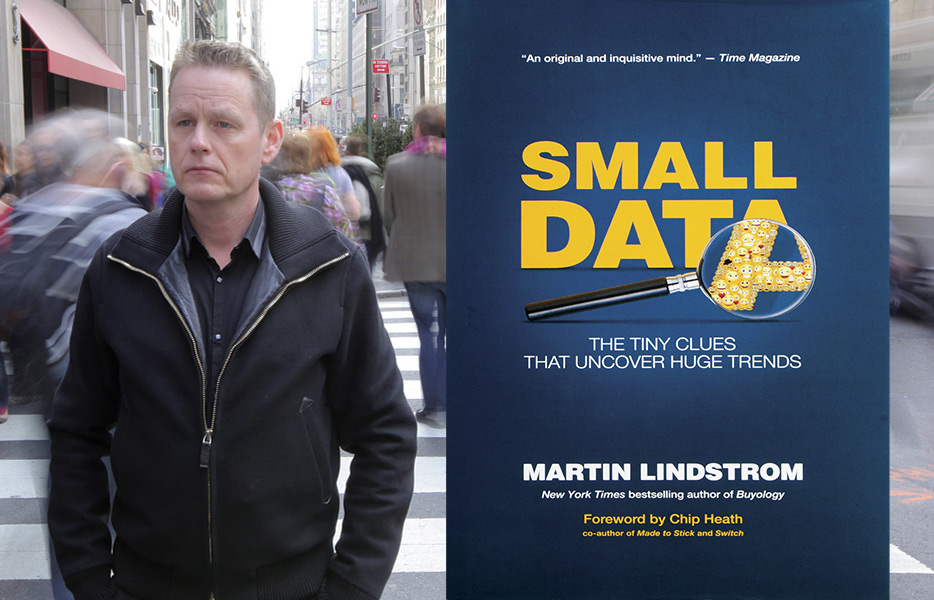
If big data — by its name alone — implies that it holds the answer to everything, Martin Lindstrom dispels that belief when he says frankly, it ain’t all that. “For all the valuable insights big data provides,” he notes in Small Data: The Tiny Clues That Uncover Huge Trends (St. Martin’s Press, 2016), “the Web remains a curated, idealized version of who we really are. Most illuminating to me is combining small data with big data by spending time in homes watching, listening, noticing and teasing out clues to what consumers really want.” Part detective story, part anthropological study, and part travelogue, Small Data, our choice for best business book on marketing in 2016, follows Lindstrom to Russia, China, Brazil, Saudi Arabia, Austria, and other locales as he tries to answer questions including: Why don’t the Chinese use bedspreads? What is the significance of Russians’ love of refrigerator magnets? And just what are teenage girls in Europe doing between 6:00 and 6:30 every morning? In answering each of these questions, Lindstrom is striving to solve a marketing problem. He closes the book by revealing his process, seven steps that can lead marketers all the way from data collection to marketing concept.
—Adapted from “Big Marketing Gets Personal,” by Catharine P. Taylor

Strategy

Most corporate managers and business school professors simply accept globalization as an unalloyed good. After all, if your goal is to sell more of something, more potential customers must be better than fewer. But although globalization does hold out the promise of boosting revenues, cutting costs, or both, it also exposes companies to all manner of new risks. Yossi Sheffi’s The Power of Resilience: How the Best Companies Manage the Unexpected (MIT Press, 2015), our choice for the best business book on strategy this year, does an excellent job of covering the most important of those risks as well as best practices in everything from preparation to monitoring to drawing up crisis playbooks. And it does so while focusing on a relatively obscure corporate competence: supply chains. An entire book on supply chains would seem to be a slog and particularly narrow. But The Power of Resilience is actually a bit of a page turner, with implications that go beyond tactics to strategy. Sheffi delivers exactly what his subtitle promises. He makes a compelling argument in support of proactive moves designed to enhance redundancy and flexibility, while swatting away superficial conclusions such as the idea that supply chain resiliency is an expensive option that pays off only in a disaster.
—Adapted from “Planning for Unpredictability,” by Duff McDonald

Economy

Up until 1980 it was taken for granted in the United States that the public and private sectors were partners in a project of equitable growth. It was never the case that the government needed to take control. And it was never the case that what the U.S. needed was to drown government in the bathtub and let laissez-faire rip. Rather, the government needed to do its proper job of clearing the ground, opening up the space, setting up the playing field and keeping it level, building the institutions, and providing whatever support it could that would greatly add value to private enterprise. While government does the blocking, private enterprise takes the ball and carries it forward at great speed. This is how the U.S. developed from a group of poor, disconnected, agrarian colonies into a powerful, industrialized, integrated nation.
But in American Amnesia: How the War on Government Led Us to Forget What Made America Prosper (Simon & Schuster, 2016), our choice for best business book of the year on the economy, Jacob S. Hacker and Paul Pierson argue that the U.S. fell prey to a fit of amnesia. Our political system forgot how things worked — and how they are supposed to work. Hacker and Pierson tell a compelling story of the descent of first American conservatism and then the Republican Party from pragmatic engagement to ideological echo chamber.
—Adapted from “The Crisis Is Over: Welcome to the New Crisis,” by J. Bradford DeLong
Fonte: Strategy

quarta-feira, 9 de março de 2016

Blogging - 50 dicas para melhorar um blog

Blogging can be a great way to draw new customers to your business website. But if your blog hasn't been updated in months or all your posts are thinly disguised sales pitches, your blog marketing plan could backfire.
A great business blog doesn't sell. Instead, it shows customers why they should do business with you and not your competitors.

Here are 50 types of blog posts that can draw new visitors and help build customer relationships.
1.      Customer success story. When you receive a great testimonial from a customer, ask for permission to turn it into a post. Use the post to solicit more customer stories.
2.      Mention a popular post. If you notice a post by a popular blogger in your niche getting a lot of attention, add your viewpoint and link to the original post. Be sure to let that A-list blogger know about your comment and link.
3.      Disagree with a popular opinion. Get traffic by stirring up controversy and taking a contrary position.
4.      Riff on the news. How are current events affecting your customers? Run a Google Alert on certain keywords related to your business or industry to find relevant news items to discuss.
5.      Compile a link roundup. If you notice several interesting opinions on a topic, you can pull them together into a single post of the best ideas.
6.      Play off the familiar. Mention a celebrity or a pop culture touchstone and your readers will instantly relate.
7.      Answer the questions everyone is asking. An FAQ post shows you're responsive and saves customers time.
8.      Pose your own question. What would you like to know about your customers? Just ask, and let your readers create the content.
9.      Talk about trends. You convey authority when you tell how things are evolving in your industry.
10.  Discuss future plans. Give readers a sneak peek at what you'll do in the coming year to start generating interest.
11.  Review a book. If you've read a book you think customers might like, give it a write-up.
12.  Review a product or service. This shouldn't be one of your own products or services or a direct competitor's offering, but rather a related item your customers might want to learn about.
13.  Comparison test. Provide even more value by comparing two or more related products or services.
14.  Post a video. Create variety with a video post. You can give a sneak preview of a new product or show a promotional event.
15.  Make a podcast. Record a quick interview with an expert, or just give a few of your own useful tips.
16.  Create an infographic. Fact-filled, graphic posts get shared a lot on social networks. This infographic got more than 10,000 retweets.
17.  Report on a conference. Quote inspiring speakers or tell readers about the latest trends and ideas from the conference that you'll be implementing.
 
18.  Go behind the scenes. Give readers a photo or video tour of your plant, customer service desk or the backroom of your store.
19.  Explain how you do it. Do you have a special way you make your product, handle returns or welcome new customers? Describe your process.
20.  Staff profiles. Give a human face to your company by introducing new or seasoned employees.
21.  Show your charity work. If your business gives back to the community, post a video or photo essay of that park your staff cleaned up.
22.  Gush about your idols. Talk about the blogs you read regularly or the thought leaders who inspire you. Be sure to alert those bloggers and business gurus so they'll spread the word.
23.  Have a debate. Invite someone who disagrees with your views to do a "Point/Counterpoint" post.
24.  Talk about your blunders. Everyone loves to read aboutbusiness failures. End your post by telling how you're fixing the problem.
25.  Create a regular feature. Do a "customer of the week" spotlight or create a monthly collection of the best online articles that match your customers' interests.
26.  Write a series. If you'd like to teach customers something complicated, break the topic into several parts. Series are an effective way to turn casual readers into subscribers.
27.  Make a prediction. Everybody wants to know what may happen in the future, so share your opinion.
28.  Conduct market research. Are you wondering which product name would attract more customers? Hold a virtual focus group on a blog post.
29.  Create a contest. Offer a prize for the most interesting customer suggestion or use of your product.
30.  Take a reader poll. SurveyMonkey makes this easy. Or you can simply set up a poll on your business Facebook page and draw readers to "like" your page.
31.  Share poll or contest results. Don't leave readers hanging; do a follow-up post to announce the results.
32.  Create an award. Giving a "best of" honor is guaranteed to get attention. Readers will want to check out who won, and all the finalists will likely share the news in social media.
33.  Share your customer feedback. If you use customer comment cards or do customer surveys, turn some highlights into a post.
34.  Reveal industry secrets or expose lies. When you promise to tell people what others won't, it's sure to be a hit.
35.  Tell the story of your origins. Everybody loves to read aboutother people's dreams and challenges, so write about why and how you started your business.
36.  Share a highlight. What were the big milestones in your company's history? Tell about an important moment and how it changed your business.
37.  Keyword posts. Check your Google Analytics to see which keyword searches bring customers to your site. Then do posts on those topics.
38.  Read your competitors. If you're out of ideas, see what topics are drawing a crowd on your competitors' blogs and give your own take on those subjects. You can even link to your competitor's post. Readers will think that's cool.
39.  Display a sense of humor. Everyone loves business owners who can laugh at themselves when something goes wrong at the office. Consider giving a "how-to" post a funny spin.
40.  Show your passion. What aspect of your business gets you excited? What customer experience was especially gratifying? Tell those personal stories.
41.  Share your vision. If you're different from competitors because of your philosophy, talk about it.
42.  Informational, how-to. Is there more than one way to use your product or service? Describe one of the less common uses in a how-to post.
43.  Tips and tricks. Don't have time for a step-by-step how-to post? Give readers a few random suggestions for how to get more out of your product.
44.  Celebrity Q&A. An interview post can be quick and easy if you simply email questions to an expert of interest to your customers. If you have some dream interview subjects, go ahead and ask if they'll participate. You'll probably be surprised how many say yes.
45.  Be inspiring. Sometimes, customers would just like to feel good. Write about something you found inspiring in the course of your day or how you keep a positive work culture.
46.  Resource list. You could spotlight your vendors, companies you partner with, or a list of good books related to your business.
47.  How you got the idea for your product. This is an opportunity to credit team members and tell an interesting story about product development.
48.  A day in the life. Give customers an hour-by-hour account of a typical day at your company.
49.  Offer something special. Announce a party that gives your best customers a first look at a new product or create a giveaway just for blog subscribers.
50.  Round up the best of your blog. If you think some of your best stuff is buried in the archive, repost your 10 favorite posts from the past year.
The key to a successful business blog is variety -- so mix it up with different types of posts. If every post is "Seven Ways to Use Our Product," it's going to get old fast. 
Fonte: Entrepreneur magazine

quarta-feira, 17 de fevereiro de 2016

Plano de negócios - Como fazer? Plano de marketing


Para quem não leu os outros posts: resolvi fazer um breve roteiro, simplificado, para construção de Planos de negócios (PN). Essa iniciativa não pretende ser um guia para profissionais, mas um apoio para o leigo que quer preparar o Plano com base numa ideia de negócio. Independente da simplicidade do que se pretende, sempre sugiro convidar para essa construção algumas pessoas do seu círculo de amizade de forma a obter outras visões críticas do futuro negócio.

A continuidade do Plano de Negócio não exige que haja uma linearidade de passos. As pesquisas, levantamento de informações, elaboração de estratégias etc correm em paralelo ao longo do trabalho. Importante sim, é anotar tudo o que está sendo levantado e registrar de forma organizada para que o material seja devidamente consolidado no momento certo.


A fim de organizar a ideia geral, vamos tratar do Plano de marketing que pode ser focado nesse momento. Trata-se, em resumo, de preparar a empresa para alcançar seu cliente. Como diz Kotler, um bom marketing reduz a necessidade da venda. Por essa razão, tomei emprestado uma figura (acima) com 8Ps. Serve para chamar a atenção... 


Apesar de considerar que o marketing mix tradicional já está de bom tamanho, é sempre bom ter à mão perguntas que o leve aos detalhes acerca do que é necessário no marketing para atingir o mercado. Os 4Ps - produto, preço, promoção, praça - já trazem para o PN uma gama de questionamentos bem ampla.


Antes de pensar no composto de marketing, é claro que precisa ser feita uma análise do ambiente de negócios. Essa ação demandará pesquisas, levantamentos e informações que o empreendedor precisará para os próximos tópicos. Esses tópicos incluem, de forma geral, a elaboração do posicionamento, dos objetivos e metas, e das estratégias de marketing para alcançar os objetivos traçados. 


Perguntas fundamentais nesse aspecto: qual a proposta de valor do negócio e para qual público alvo. Sem a decisão e foco no público desejado, a empresa nascente ou projeto inicial corre o risco de desperdiçar esforços e recursos em clientes ou consumidores com baixo retorno sobre o investimento, drenando energias importantes principalmente no começo.


Observe que ao após pensar na estrutura e em como levar o negócio ao conhecimento do cliente, sua visão do negócio já estará bem próxima de uma realidade que levará a preocupação de quanto tudo isso custará e que receita poderá ser apurada. Esse será o nosso próximo tema.


Vamos em frente!!!


Fonte: Leopoldo Nunes

quinta-feira, 20 de novembro de 2014

Marketing - Comentários Melhores livros 2014 segundo Strategy+Business

Niraj Dawar
Tilt: Shifting Your Strategy from Products to Customers
(Harvard Business Review Press, 2013)

The discipline of marketing is slowly, but steadily, evolving in response to the fragmentation of media, the digital empowerment of consumers, and, particularly, the shrinking attention spans of target audiences. Across nearly every demographic, people spend less time on—and have less patience with—marketing messages. They’re not just tuning out and fast-forwarding past ads, they’re also paying for services such as Netflix that don’t include any marketing at all.
This is why there is a growing conviction among marketing professionals that the brand experience is becoming the essence of their discipline. It’s also why this year’s three best business books on marketing—not one of which has the m word in its title, by the way—are about deepening a brand’s relationship with its customers in ways that penetrate well below the surface transaction. Each articulates a different way of achieving this, and they even differ in their rationales for doing so, but the imperative is clear: If you aren’t doing it already, marketers, the only way to score is to go deep.

Paddling Downstream

In Tilt: Shifting Your Strategy from Products to Customers, Ivey Business School professor of marketing Niraj Dawar provides the much-needed context for why companies have to view satisfying customers as paramount. His argument is one that should make executives across the entire enterprise take notice.
Dawar sets up a dichotomy between upstream value, “the value-creation activities related to production and products,” and downstream value, which is created “where companies interact with customers.” Most companies still put most of their emphasis on the upstream, but they need to tilt their efforts (and their organizations) downstream.
The upstream, argues Dawar, is no longer a wellspring of competitive advantage; those days, which date back at least to the Industrial Revolution, are over. In a time when just about every IT behemoth is outsourcing some of its programming to India, and every major clothing retailer can find cost efficiencies by producing clothes in China or Mexico, competitive advantage in the upstream is, at best, incremental and short-lived. “By now, your business knows what it takes to make and move stuff,” Dawar writes. “The problem is, so does everybody else.”
Upstream efficiencies must continue to be realized, but they are no longer going to yield the competitive advantages they once did. Thus, it is mandatory for companies to focus on the downstream; they simply have no choice but to seek competitive advantage in how they interact with customers. Toward this end, Dawar says the first thing companies must ask is, Why do our customers buy from us rather than from our competitors? The specifics of the answer differ for every company, but at a higher level, the right answer will always lie in minimizing the costs and risks that customers incur by doing business with you (see “A Step-by-Step Guide to Winning the Customer,” by Niraj Dawar, s+b, Spring 2014).
Dawar cites Hyundai, for example, which came up with a brilliant response to the major slump in car sales that followed the 2008 financial crisis. (He notes that Hyundai saw its U.S. sales drop by 37 percent, and it certainly was not alone among carmakers.) As its competitors made the usual downstream adjustments, mainly price incentives, Hyundai realized that the real issue for consumers wasn’t price—it was the risk of taking on a big, new financial obligation while the economy was in a tailspin. The company minimized this risk with Hyundai Assurance, a program that allowed car buyers to return their car, with no penalties, within a year of purchase if they suffered a job or income loss. Hyundai’s sales doubled in the month the program launched. The carmaker outsold Chrysler, which had four times the number of dealerships, without having to reduce prices.
It would be reasonable to assume that Hyundai’s competitors responded by offering similar programs, but they didn’t. To Dawar, this anomaly points up an important nuance in leveraging downstream advantage: Most companies are better at assessing customer costs than at discerning purchasing risks perceived by the customer. Dealer incentives speak to cost, but they don’t address risk. By focusing on risk, Hyundai gained a competitive advantage.
ICI, a maker of explosives used by quarries to blast rock, is another company that gained a critical competitive advantage by shifting its emphasis downstream. Finding itself in a classic commoditized price war, ICI took a step back and realized its products were just like Ted Levitt’s famous quarter-inch drill bits: ICI’s customers didn’t want explosives (drill bits, and value produced upstream); they wanted blasted rock to sell to their customers (drill holes, and value produced downstream).
Since blasting rock is full of customer costs and risks, ICI decided to clear a path out of the price war by minimizing both. As with many of Tilt’s examples, it turns out ICI already had the solution at its fingertips. It had reams of data, which it had never shared with its customers, about how to ensure a successful explosion—essentially, a blast that produces lots of similarly sized rock.
Pooling this data and sharing it with quarries, along with making a strategic decision to base its pricing on blast outcomes rather than the explosives themselves, enabled ICI to drastically reduce its customers’ costs and risks. ICI was no longer just another company selling explosives, explains Dawar, “it was in the business of selling a highly differentiated value proposition created by the application of engineering expertise, marketing savvy, and strategic acumen.” Even better, this new approach delivered a cumulative advantage: “The more blasts ICI conducted, the more data it collected,” adds the author. “And the more refined its models and blasts became, the further ahead it pulled from its competitors.”
I think Tilt is the best business book of the year on the topic of marketing because it paints a big picture that all company executives should consider. In fact, Dawar sees the upstream-to-downstream shift starting with the CEO, and then trickling down in a mind-set shift that spreads through the entire organization.

Building Out the Ecosystem

In Connected by Design: 7 Principles for Business Transformation through Functional Integration, Barry Wacksman and Chris Stutzman, executives at R/GA, a leading digital agency that has worked for Nike, Capital One, and Beats by Dr. Dre, recommend pursuing functional integration in order to create ecosystems that “succeed by nurturing ongoing relationships with the brand’s most loyal customers.” In short, they want companies to build interlocking products and (usually digital) services that add up to more than the sum of their parts.
Wacksman and Stutzman describe how U.K. retailer Tesco created a smartphone app that lets its customers build their shopping lists by scanning barcodes on the products in their homes and turning those lists into online orders, or, in stores, into an aisle-by-aisle map. Tilt’s Dawar would likely peg this as an effective use of the downstream; and, like ICI, Tesco discovered that the service has upstream applications. The data gives Tesco better insights into how and what it should be offering, in addition to enhancing its ability to provide customers with more personalized shopping experiences.
The authors also point to high-tech “It Brands” such as Apple, Google, and Amazon as obvious examples of their ideas in action. More impressive, however, are the examples of how companies whose main thrust is not digital are using functional integration. These include brands such as L’Oréal, General Motors, Nike, and, in the book’s most surprising example, spice industry leader McCormick & Company.
During the Great Recession, McCormick found itself in one of those commoditization struggles that fill the pages of Tilt, as newly thrifty consumers turned to less expensive generic and store brands. But the company also discovered functional integration, as well as an unlikely link between digital services and ground cumin, with FlavorPrint, an algorithm-driven recipe engine. Yes, there are many online recipe sites, but as the leader in spices, McCormick had an unparalleled knowledge of flavors that put it in a position to create a much more robust and effective recommendation engine. FlavorPrint works like Pandora, in that it suggests recipes based on your tastes. Tell the site that you like raw tomatoes and cheesecake, but dislike jerk chicken and black licorice, and it will begin to discern your palate, and suggest recipes based on it.
FlavorPrint was McCormick’s answer to category-wide commoditization—a service with daily utility, which Wacksman and Stutzman identify as one of two core elements in a successful functional integration. (The other is context, which comes from figuring out how and when consumers want to interact with your brand.) And, they report, people who engage with McCormick online buy “upwards of 40 percent more” of its products than the average McCormick customer.
Think of it this way: If one of the dimensions of traditional advertising messages is frequency, FlavorPrint and the many other examples in Connected by Design suggest a new kind of frequency—a frequency generated by digital services that are used on an ongoing basis and that offer such utility that they imprint a brand preference on their users.

Love, Actually

In Romancing the Brand: How Brands Create Strong, Intimate Relationships with Consumers, marketing consultant and former Coca-Cola brand director Tim Halloran urges marketers to go deep, too, but in an appealing, old-school kind of way. By distilling marketing down to the metaphor of a romantic relationship in need of nurturing, excitement, and intimacy, Halloran doesn’t have to rely on whiz-bang technological examples. Indeed, the ways in which digital technologies are transforming marketing barely make it into his book.
That’s one of the book’s strengths. Technology has so enthralled us that it can become an end in and of itself. Certainly, we’ve all seen online campaigns that seem to exist solely because a marketing team has fallen prey to the belief that being seen on a hot new platform equals relevance. Instead, argues Halloran, “it is only by keeping the consumers first, by making them special, that brands live up to the definition of a relationship.” He develops this premise by having each chapter mirror a stage in a romantic relationship, showing brands first how to “Know Yourself,” and then progressing onward to steps such as “Meet Memorably,” “Deepening the Connection,” and even “Making Up,” when a brand has lost its customers’ trust.
Halloran offers the repositioning of Powerade, a Coca-Cola brand that he worked on in the mid-1990s, as a case in point. The solution for the brand, which was running well behind the 88 percent market share of industry leader Gatorade, wasn’t going to be competing head-to-head for the category’s main demographic—athletic men ages 20 and older. Rather, the brand team targeted a younger demographic—athletic teenagers. “Linking the brand to the key emotional drivers of teen sports would be the way that Powerade would establish a relationship with these boys,” Halloran writes.
The brand team achieved this by identifying 1 million top high school athletes (a feat that’s even harder than it seems because this initiative was pre-Internet) and sending each of them a Powerade sport bottle and a coupon for the product itself. It was no small thing then for a high schooler to get a piece of mail, especially mail that his friends didn’t get. The team also asked the athletes’ opinions about everything from packaging to communication. Yes, Powerade was wooing them.
The brand team also wooed high school coaches with Powerade-branded equipment, such as towels, that they would receive if they agreed to install Powerade vending machines in their schools. The ethics of aggressively imprinting a brand within the corridors of high schools aside, this outreach to coaches and star athletes began to create an emotional connection. (It’s hard to tell how effective this connection was; Halloran tells us only that Powerade’s brand loyalty in the under-18 demographic “began to equalize” with Gatorade’s.)
Of course, romantic campaigns are a lot easier if you have the deep pockets and unparalleled distribution of the Coca-Cola Company backing you up. So it’s a relief to report that Halloran demonstrates how intimacy-enhancing marketing tactics apply to much smaller brands. Consider the example of Mamma Chia, a quirky health beverage “to be savored, not swallowed in great gulps,” in which chia seeds are suspended in a fruit-flavored Jell-O-like substance. A tough sell.
The passion of company founder Janie Hoffman for her product and the chia seed won her distribution in the 40 stores in Whole Foods’ southern Pacific region. But there was a catch: The buyer required that Hoffman herself educate, and establish the connection with, her potential customers. Otherwise the product would be “collecting dust on the shelf,” the buyer warned, because the new brand didn’t fit the traditional definition of a beverage.
So Hoffman set up tables in Whole Foods to teach shoppers about the product, give out samples, and more. “When a shopper showed interest,” notes Halloran, “Hoffman enthusiastically told the story of the magnificent chia seed, why it was important to her, and how it could add meaning to the shopper’s life.” (Later, Hoffman employed “word of mouth ambassadors,” but they had to be people who shared her passion, not just workers handing out the sample of the day.) Hoffman went on to be BevNet’s 2012 Person of the Year, and Mamma Chia has since gained a slot in mainstream chains.
The Mamma Chia story is the centerpiece of the “Meet Memorably” chapter, which focuses on the first encounter between a product and a consumer. Not everyone can do this through the power of their personality, as Hoffman did, but Halloran uses the example to emphasize that making an indelible first impression matters, whatever the means.
The fact that this year’s best business books on marketing use different lenses to highlight essentially the same message underscores the need to build deeper relationships with consumers and customers. In fact, these authors all seem to regard traditional mass advertising as almost incidental. It’s not enough to sell products—you must find ways to embed your brand so deeply within your customers’ lives that they come back to it, time after time.
Reprint No. 00288

AUTHOR PROFILE:

  • Catharine P. Taylor has covered digital media since 1994, writing for publications including Adweekand Advertising Age. She currently writes a weekly Social Media Insider column for MediaPost, and is a frequent speaker on the impact of social media on advertising, media, and behavior.