sexta-feira, 24 de fevereiro de 2017

Modelos de documentos e planilhas financeiras ContaAzul


A ContaAzul separou materiais mais baixados em 2016 para que eles possam otimizar sua gestão em 2017.
Confira a lista de materiais abaixo 👇👇

Daniel Pink's favotites

MY 15 FAVORITE BOOKS OF 2016

Whoa. What a year. 2016 no doubt will go down as one of the most tumultuously bizarre and bizarrely tumultuous years of the early 21st century.

Below are 15 non-fiction books, in alphabetical order by author, that helped me make (a little) sense of the world this year — or at least gave me the opportunity to escape it.


The Osamu Tezuka Story: A Life in Manga and Anime 
by Toshio Ban

Tezuka is probably the most important creative force that Americans have never heard of. In the world of Japanese manga and anime, he’s a combination of Walt Disney, Thomas Edison, and Elvis.
(Buy it at Amazon, BN.com, Indiebound)


Designing Your Life: How to Build a Well-Lived, Joyful Life
by Bill Burnett & Dave Evans 

Two Stanford professors show how to apply design thinking to one of your most important projects: your life. Also check out this Pinkcast with the authors.
(Buy it at Amazon, BN.com, Indiebound)


Pre-Suasion: A Revolutionary Way to Influence and Persuade 
by Robert Cialdini

From the amazing Robert Cialdini comes a powerful sequel of sorts to his legendary book, Influence.
(Buy it at Amazon, BN.com, Indiebound)


Evicted: Poverty and Profit in the American City
by Matthew Desmond 

A sociologist’s detailed look at life in low-income housing and trailer parks; one of the most powerful books I’ve read in years.
(Buy it at Amazon, BN.com, IndieBound)


Grit: The Power of Passion and Perseverance
by Angela Duckworth

Passion and persistence toward long-term goals outweighs talent in circumstances ranging from spelling bees to West Point.
(Buy it at Amazon, BN.com, Indiebound)


Ten Restaurants That Changed America
by Paul Freedman

A social history of America told through iconic restaurants like Sylvia’s, Chez Panisse, and Howard Johnson.
(Buy it at Amazon, BN.com, Indiebound)


Being Mortal: Medicine and What Matters in the End (paperback) 
by Atul Gawande

Although this book is a clear-eyed and often uncomfortable look at end-of-life issues, it is also an uplifting view of what makes us human.
(Buy it at Amazon, BN.com, Indiebound)


The Rise and Fall of American Growth: The U.S. Standard of Living Since the Civil War
by Robert J. Gordon

This 700-page tome isn’t exactly light reading, but it tells the remarkable story of how a batch of innovations from 1870 to 1970 transformed American life — and why today’s innovations won’t give the economy the same kind of lift.
(Buy it at Amazon, BN.com, Indiebound)


Originals: How Non-Conformists Move the World
by Adam Grant

Lots of smart science and savvy advice on how to stand up and stand out from the dynamic Wharton professor.
(Buy it at Amazon, BN.com, Indiebound)


Lab Girl 
by Hope Jahren

The riveting memoir of a geobiologist (no, really) that is a funny and moving meditation on science, commitment, and love.
(Buy it at Amazon, BN.com, Indiebound)


March: Book Three
by John Lewis, Andrew Aydin, and Nate Powell

A graphic novel (the third of a trilogy) from the incredible John Lewis. This volume covers the U.S. civil rights movement from 1963 to 1965 in compelling and cinematic style. A great read for young people — and for the rest of us.
(Buy it at Amazon, BN.com, Indiebound)


The Undoing Project: A Friendship That Changed Our Minds
by Michael Lewis

My dream in life: To be able to write as well as Michael Lewis and to think as well as Daniel Kahneman and Amos Tversky.
(Buy it at Amazon, BN.com, Indiebound)


Becoming Nicole: The Transformation of an American Family (paperback)
by Amy Ellis Nutt

A middle-class couple in Maine adopts two identical twin boys. Early in their lives, one boy insists he’s a girl. This remarkable book traces the family’s subsequent journey. An urgent and beautiful read.
(Buy it at Amazon, BN.com, Indiebound)


Seven Brief Lessons on Physics
by Carlo Rovell
i
A slim (81-page) book that helped me (almost) understand relativity theory and black holes.
(Buy it at Amazon, BN.com, Indiebound)


The Arab of the Future 2 
by Riad Sattouf 

Another graphic novel, this one the latest edition of the moving and extremely funny story of a boy who’s childhood finds him hopscotching from France to Libya to Syria.
(Buy it at Amazon, BN.com, Indiebound)


48 MORE GREAT NEWSLETTERS

In the last edition of this newsletter, I recommended 11 email newsletters that I thought were worth your time. (You can see that list here).

But I also asked for your newsletter recommendations. And you came through. Holy moly, did you come through.

The response was huge, but we’ve now managed to sort through all the entries. Here’s a link to a page that lists the top 48 newsletters that you, dear readers, recommend to each other:

Top 48 Reader-Recommended E-mail Newsletters 


3 POPULAR PINKCASTS

This was also the year that I began experimenting with a new way to convey ideas — super-short videos (most briefer than 2 minutes) known as "Pinkcasts.” Many of you have provided smart feedback along the way that has helped improve these videos. For those who’ve missed a few, or who are dying to watch them again, here are the three Pinkcasts that have been the most popular with viewers so far:

Pinkcast 1.2: A Simple Trick for Getting the Right Stuff Done (79 seconds)

Pinkcast 1.6: How to Anticipate (and Prevent) Big Mistakes (154 seconds)

Pinkcast 1.12: Why You Should Write a Failure Resume (124 seconds)

You can watch any of our 14 videos here: The Pinkcast

terça-feira, 3 de janeiro de 2017

Forget the Resolutions — Write Your Personal Manifesto

It’s that time of year again. The pressure is on to make New Year’s resolutions: Lose weight. Get to meetings on time. Interact more with your direct reports. A few goals are put on a list…and are forgotten by January 3rd. While this annual ritual of reflection is well intentioned, it rarely changes behavior because it focuses on what you do (or should do), not the deeper question of why you do it.
I’ve discovered an alternative to New Year’s resolutions, one that addresses that disconnect between the what and the why and can spark real change. It’s the personal manifesto, and it particularly valuable for those who aspire to lead.
Michael Hess, founder of sales management firm Core 6 Advisors, introduced me to the idea. The manifesto is a tool that he uses with sales managers and salespeople to help them focus on their true personal and professional aspirations as well as what it will take to achieve success.
The genesis for Hess was a collection of quotes and thoughts he had written on Post-its and stuck on his computer monitor. As Hess began to spend less time at his desk, he put all those notes on a sheet of paper, kept folded in his wallet, so that could reflect on them wherever he was. Along the way, he realized what an essential compass these scribbled words had become. They weren’t just notes, they were the fodder for his personal manifesto.
A manifesto is a rigorous written account of where you are, where you would like to be, and why. Unlike New Year’s resolutions, the personal manifesto isn’t tied to the time of year or to specific acts. It is a way to keep yourself focused, thoughtful, and on-track through the ups-and-downs of a busy life. And it can be amended as needed.
A personal manifesto begins with an honest conversation with yourself. That’s not as easy as it sounds; honesty takes work — and guts. It also takes time.
 “A manifesto doesn't just pour out in 20 minutes,” Hess says. “Being honest with yourself is a process. You sit, think, write, and edit. Put it aside. Come back to it and revise until the words are exactly what you want. A good manifesto requires a depth of introspection that exposes vulnerabilities and helps you address them.” This is something for you and by you. It is not intended to be shared with anyone.
Start, as Hess did, by capturing quotes from others that resonate with you. Ask yourself why you find them compelling. Note your own thoughts about where you are, where you want to go, and what’s most important to you. Hess suggests beginning sentences with phrases that provoke honesty: “I am afraid that…,” “I am worried that…,” or “I feel vulnerable when…” to spark deeper reflection.
Then, articulate the principles that are most important to you and how you intend to act on them. For example, “My family is the most important thing in my life, therefore I will be home for dinner each night that I am not traveling.” The “therefore” statement is what brings the intention to life. These core principles are enduring guideposts of your life. They serve to explain what you wish to do, and also why you do it.
Next, reflect on the ideal life to which you aspire, what you want your life to look like. “These aspirations should be emotional, spiritual, and yes, materialistic if that’s the case,” Hess says. “Name what you want your life to be. So if you want to drive a Tesla, say it. If you want to retire early, put it down.” Most important, don’t include something because you think that you are “supposed to” want it. “We shackle ourselves with external expectations,” he notes. “The manifesto is a place to be totally, brutally candid about the personal and professional aspects of your life. It should be something you fight through.” This part of your manifesto helps keep you accountable to yourself.
Physically writing down the manifesto is critical. Hess feels that putting pen to paper engages the brain differently than typing, and a notepad doesn’t distract you with email notifications and other information clutter. Studies have shown that writing by hand helps you generate more ideas, reflect on them, and encode them in memory more effectively than typing.
Hess is on the eighth major revision of his own manifesto since he started about 10 years ago. “Keep the old versions when you make a major update,” he advises. “It helps you chart your growth.”
Just as writing the manifesto is a process, so too is living into it. “It has to be part of a regular diet,” Hess says. “You need to return to it and make it a habit, like going to church or attending Alcoholics Anonymous meetings. Find a way to make it part of your routine.” He recommends reading it every two or three days, sometimes reading it aloud to provide a different sensory experience.
I also think that a manifesto is a valuable resource when you are confronted with a major decision. Read it to help you frame how you consider your options. Hess noted that the manifesto has been valuable to him through several life transitions. For clients, it has helped center them on deeper considerations and consequences when confronting a range of issues, including a job change and dealing with a difficult boss.
I’ve begun the process of creating my personal manifesto. As Hess predicted, it has not happened instantly. As a writer, words come easily for me. However, I am learning that the manifesto is less about getting the syntax right than using words to delve way below the surface. I now discard phrases and thoughts that come too easily. Each one is just a springboard to another with more significance. Being real is different than being perfect.

I encourage you to create your own personal manifesto as a way to illuminate the journey into the New Year and beyond. Further, while your manifesto itself is for your eyes only, I encourage you to share a core principle, or “therefore” statement, in the comments below. Or tweet us one with #ForgetResolutions. 
Fonte: strategy-business

sexta-feira, 11 de novembro de 2016

Inspirações de gente grande

Ter alguém para se inspirar pode dar aquele gás que faltava para corrermos atrás dos nossos sonhos. Por isso mesmo, quem quer empreender e ter um bom modelo de negóciomuitas vezes se espelha em pessoas bem-sucedidas.
Quem nunca imaginou como é viver com uma conta bilionária no banco? Contudo, muitas vezes esquecemos que, para ganhar a fama e a fortuna de hoje, muitas pessoas traçaram um caminho de luta e algumas decepções.
Exemplo disso são os grandes investidores. Quem conseguiu enriquecer no Mercado de Ações com certeza deve servir de exemplo para muitos iniciantes neste universo.
O Mercado Financeiro não é simples e quem consegue entendê-lo tem muita sabedoria para compartilhar por aí.
Foram as experiências boas, como lucrar milhões em apenas uma transação, e também as ruins, como perder seis dígitos após um ato por impulso, que ajudaram essas pessoas a conquistar o sucesso que têm atualmente.
Mais do que apenas invejar a riqueza alheia, que tal aprender com quem chegou lá? Veja agora ensinamentos de investidores de sucesso para começar a seguir já!

Benjamin Graham: motivos são tão importantes quanto objetivos

Graham foi um professor aclamado da Universidade de Columbia. Parte de sua fama surgiu por causa de seus ensinamentos sobre a análise fundamentalista, uma forma de avaliar onde investir dinheiro a partir das perspectivas de longo prazo das empresas.
Muitas pessoas que hoje iniciam no mundo dos investimentos seguem lições de Graham. Isso porque, apesar de ter nascido em Londres no fim do século XIX, seus estudos ainda são bastante atuais.
Quer aprender com ele? Saiba que estar certo não é suficiente. Você precisa estar certo pelos motivos corretos. Afinal, de nada adianta estar convicto do que faz se seus motivos não estão alinhados com seus objetivos.
A convicção, inclusive, está bastante presente em suas lições. Para ele, é preciso ter paciência e disciplina para se manter firme em suas convicções, especialmente quando o mercado insiste que você está errado.
Assumir uma posição e se manter fiel a ela parece simples na prática, mas quando o mundo segue por outro caminho, podemos começar a duvidar de nós mesmos. Ouça a voz da sabedoria!

Warren Buffett: fuja do lugar comum

Benjamin Graham foi professor de Buffett e chegou a ser considerado por seu pupilo um dos homens mais importantes de sua vida.
O apelido, “oráculo de Omaha”, não surgiu à toa. Aos 86 anos, Warren Buffett permanece há quase duas décadas entre os primeiros colocados na lista de mais ricos do mundo.
A frente de sua empresa, a Berkshire Hathaway, ele publica anualmente cartas em que dá dicas valiosas a seus leitores. Em uma delas, Buffett escreveu que não se pode ficar obcecado pelo sobe e desce do mercado.
O que realmente importa para ele é estar focado no jogo e não no placar.
Outra lição que podemos aprender com ele é em relação aos riscos. Em suas palavras, “o risco vem de não saber o que você está fazendo”.
A falta de compreensão sobre como agir também ganhou destaque quando ele afirmou que é melhor não investir em um negócio que você não entende.
Ele também indica remar contra a maré: “A hora de se interessar por ações é quando ninguém mais está interessado.
Você não pode comprar o que é popular e achar que está agindo de maneira correta em relação a seus investimentos”.

George Soros: erros também são aprendizado

Quando se fala em investidor de sucesso, outro nome que surge espontaneamente é George Soros. Sua fortuna chega a mais de 20 bilhões de dólares!
Entre suas maiores proezas no Mercado Financeiro, está o lucro de 1 bilhão de dólares conquistado em 1992 ao investir contra a libra esterlina.
Ele é um dos fundadores do Quantum Fund, um dos maiores e mais lucrativos fundos de hedge existentes. Além do sucesso nos investimentos, Soros também se deu bem na literatura. Aos 80 anos, ele é autor de quase uma dezena de livros sobre o Mercado Financeiro.
Soros não crê que é possível se divertir investindo bem. “Se investir é entretenimento e se você está se divertindo, provavelmente você não está ganhando dinheiro”. Segundo ele, o bom investimento, infelizmente, é chato.
E ele não tem medo de reconhecer suas fraquezas. Soros já admitiu que acaba se deixando tomar pela euforia e também pelo desespero. Mas ressaltou que só deu a volta por cima porque reconheceu seus próprios erros.
É importante não só reconhecer, como também corrigir as falhas. “Uma vez que nós entendemos que os seres humanos são imperfeitos, não há vergonha em estar errado,mas sim em falhar por não conseguir corrigir nossos erros”. Ou seja, Soros é adepto do ditado que diz: errar é humano.

Jim Rogers: tenha fé em si mesmo

O fundo criado com a parceria entre Rogers e Soros é considerado um dos mais rentáveis da história. Para se ter uma ideia, em dez anos esse fundo chegou a avançar 4.200%!
A sociedade com Soros foi tão frutífera que Jim Rogers conquistou o que muitos sonham: aposentar-se aos 40 anos. Um verdadeiro entusiasta do mercado asiático, ele atualmente mora em Cingapura e atua como um observador profissional do mercado.
Rogers realmente acredita que o oriente é o futuro dos negócios, tanto é que uma de suas sugestões é que todo mundo nascido a partir de 2003 deve aprender a falar mandarim.
Ele também aconselha a todos traçar seu próprio caminho. Rogers já confessou que, no início da carreira, se deixou levar pela opinião dos outros e se deu mal.
“Com o tempo, vi que quando eu discordava dos outros, eu estava certo. Então, passei a seguir minha intuição e deixar os outros para lá”, disse.
Ele também escreveu diversos livros sobre economia e investimentos. Um deles, “A Gift to My Children: A Father’s Lessons for Life and Investing”, traz um ensinamento interessante para quem não é muito fã de mudanças.
Um trecho da obra diz que aqueles que não conseguem se ajustar às mudanças, vão ser varridos por elas. Aqueles que aceitarem as mudanças e reagirem de acordo, vão se beneficiar com elas. Flexibilidade é o segredo do sucesso!

Jorge Paulo Lemman: sonhar não custa nada

Claro que esta lista não iria terminar antes de ter ao menos um brasileiro por aqui.
Jorge Paulo Lemman é um nome forte em terras tupiniquins e também internacionalmente. Tanto é que ele foi chamado de “conquistador da América” pela revista Forbes.
Entre suas conquistas está a criação da Ambev e investimentos em diversas empresas do ramo alimentício no país, como Heinz, Burguer King e Lacta.
Contudo, sua mais nova área de investimento é a tecnologia. Este ano, ele investiu no Snapchat, rede social com valor de mercado superior a US$ 20 bilhões.
Uma máxima dele para inspirar as pessoas é sonhar longe. Para ele, ter um sonho grande dá o mesmo trabalho de ter um sonho pequeno. Então, por que não querer ir além?
Lemman também dá muito valor ao empreendedorismo, já que, segundo ele, os empreendedores vão salvar o Brasil. “Peço que eles não desanimem na primeira dificuldade, peço que eles continuem”, completa o pensamento.
As dificuldades são um dos principais motivos para muita gente desistir antes de alcançar um objetivo. Ele deixa claro que nada acontece em linha reta, já que sempre vão haver altos e baixos.
O importante, para Lemman, é constantemente aprender com as dificuldades e sempre ver nelas uma oportunidade.
Exemplos de sucesso existem vários por aí, tanto de grandes investidores quanto de pequenos empresários. Sabe o que todos eles têm em comum? A humildade de aprender com os próprios erros e a disciplina para prosperar em meio à adversidade.
O Mercado Financeiro foi palco do sucesso dos investidores citados e pode ser o seu também. Sabe o melhor? A Bolsa de Valores é o melhor investimento do ano. Ainda dá tempo de aproveitar e mudar de vida!
Agora é um excelente momento para empreender e investir. É hora de colocar a mão na massa e tirar seus sonhos do papel!
Autoria: Ana Cláudia Inez, graduada em Relações Públicas, mestre em Processos Comunicacionais e estudiosa do mercado de ações. Integrante da equipe Toro Radar, é responsável pela comunicação e relacionamento da empresa com parceiros em todo o país.
Fonte: Blog Saia do Lugar

quinta-feira, 10 de novembro de 2016

Best Business Books 2016


The "top shelf" picks in our Best Business Books 2016 roundup.


Technology

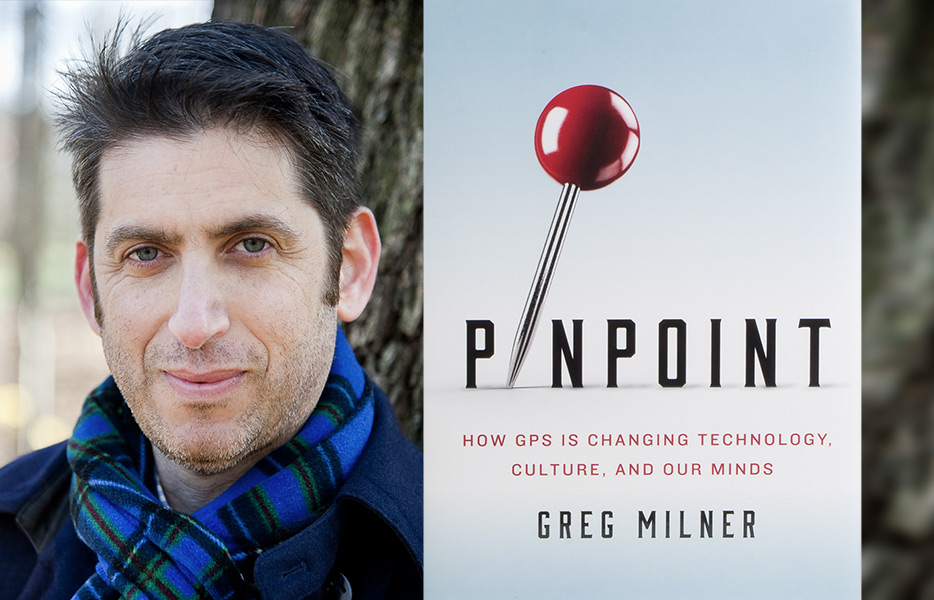
In Pinpoint: How GPS Is Changing Technology, Culture, and Our Minds (W.W. Norton, 2016), Greg Milner takes what might seem to be a mundane subject — the Global Positioning System — and tells an intricate story about the relationship between technology, the economy, and human ability. He also implicitly makes two crucial points about the nature of technological innovation. The first is that public investment in new technologies can create enormous spillover benefits for the economy as a whole. GPS would not exist, after all, had it not been for the Cold War, which spurred the U.S. government to invest heavily in technologies that were then repurposed for civilian use, including the transistor, the microprocessor, and GPS. The second lesson in Pinpoint, our choice for the best book of 2016 on technology, is that the value of powerful new technologies isn’t always apparent at the time they’re introduced. The U.S. Air Force, for instance, kept trying to kill funding for GPS, because it felt that navigation systems were already accurate enough. Milner shows that civilians grasped the real usefulness of GPS long before most of the military did. That’s why long-term, patient investments — whether on the part of the government or in the private sector — are so essential to technological progress.
—Adapted from “The Human Function,” by James Surowiecki

Talent & Leadership

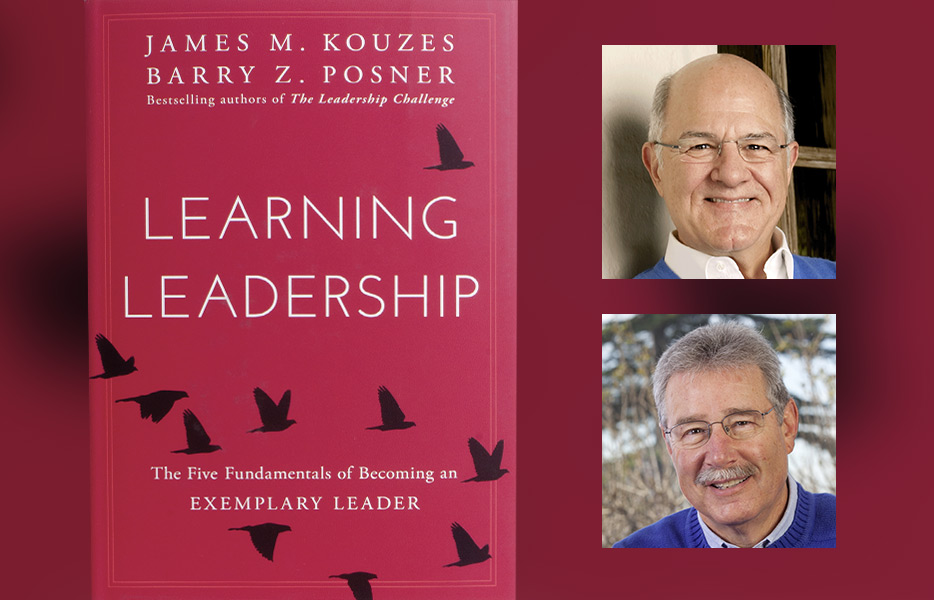
In addressing the perennial question of whether leaders are born or made, James M. Kouzes and Barry Z. Posner, the authors of Learning Leadership: The Five Fundamentals of Becoming an Exemplary Leader (Wiley, 2016), observe that they’ve never met a
leader who wasn’t born, which is to say that everyone has the ability to become a better leader. The “born leader” trope, in their view, is antithetical to the way real-life leaders operate. It functions as a fable or folk legend that discourages people at every level from working to become better leaders. Anyone with a desire to improve his or her own leadership skills can benefit from reading this deeply encouraging book, which is our choice for the best book of 2016 on talent and leadership.
—Adapted from “Thinking It Through,” by Sally Helgesen

Narratives

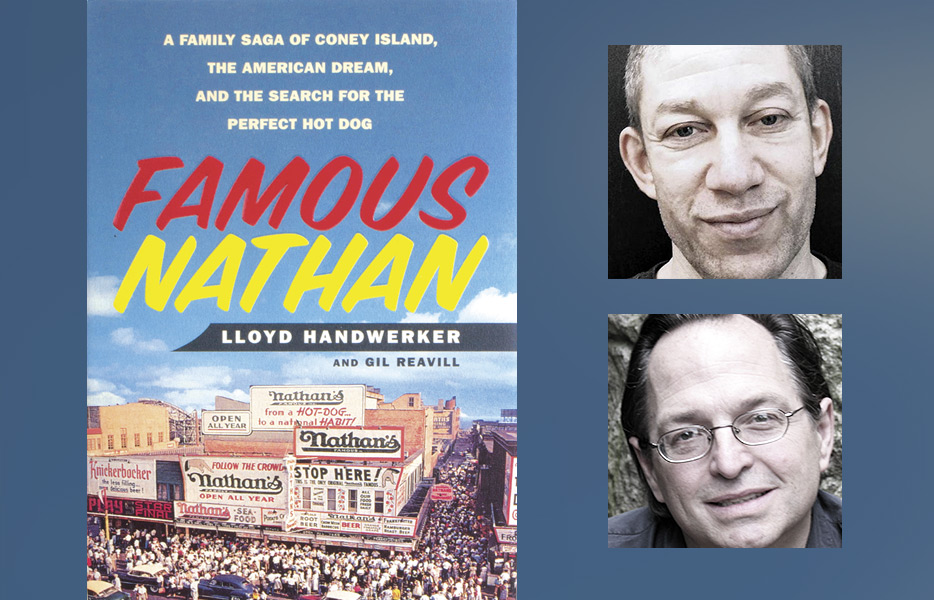
The development of Nathan’s Famous Hot dogs “represented a complicated kind of choreographed ballet,” write Lloyd Handwerker and Gil Reavill in Famous Nathan: A Family Saga of Coney Island, the American Dream, and the Search for the Perfect Hot Dog (Flatiron Books, 2016), whose details include the precise amount of water in the meat filling and the skills of a longtime employee who could serve 60 hot dogs a minute. Nathan Handwerker, who was born in Austrian-occupied Galicia, Poland, in 1892 and who emigrated to the U.S. in 1912, “was desperate to succeed,” his grandson writes in our choice for 2016’s best business book on narratives. And succeed he did. During its heyday of the 1950s, the business grossed $3 million annually. The success of Nathan’s Famous was “the direct result of one man’s will to excel, to be ever watchful, to devote himself to the proposition that quality can be gained and maintained only by ceaseless, unflagging effort,” writes his grandson. This simple story is elevated by the insight it offers into Nathan’s archetypal character, as well as by the rich historical context and lovely writing. Perhaps it takes a kind of brilliance to have the big idea, and another kind of brilliance to make it work.
—Adapted from “Turning Dreams into Reality,” by Bethany McLean

Management

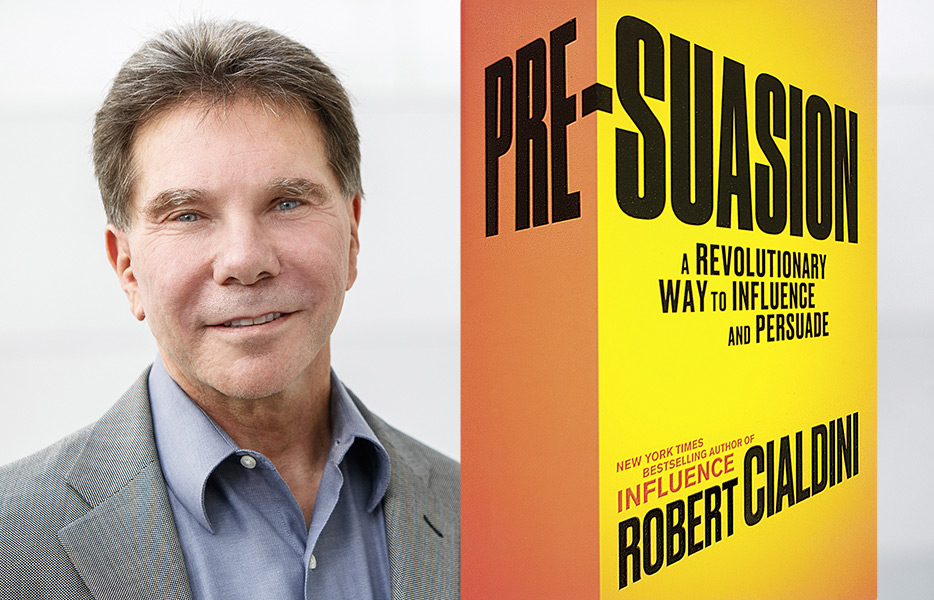
Our choice for best business book of 2016 on management, explores an insight that came to Robert Cialdini, author of Pre-Suasion: A Revolutionary Way to Influence and Persuade (Simon & Schuster, 2016), when he “infiltrated the training programs of a broad range of professions dedicated to getting us to say yes.” He discovered that “the best persuaders become the best through pre-suasion — the process of arranging for recipients to be receptive to a message before they encounter it.” He argues that it is possible to create what he calls privileged moments, “identifiable points in time when an individual is particularly receptive to a communicator’s message.” Cialdini offers many tips and tactics in this handbook on the ways and means of pre-suasion, which managers can and should use to become more effective influencers. But he also devotes considerable effort to persuading us to wield pre-suasion in an ethical manner.
—Adapted from “Pre-Suasion, Problem Solving, and Process Design,” by Theodore Kinni

Marketing

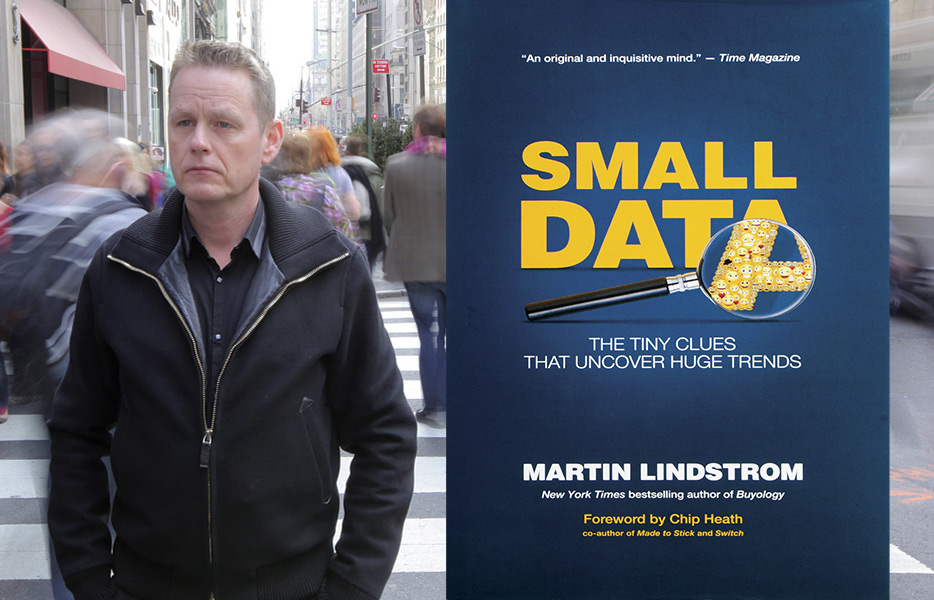
If big data — by its name alone — implies that it holds the answer to everything, Martin Lindstrom dispels that belief when he says frankly, it ain’t all that. “For all the valuable insights big data provides,” he notes in Small Data: The Tiny Clues That Uncover Huge Trends (St. Martin’s Press, 2016), “the Web remains a curated, idealized version of who we really are. Most illuminating to me is combining small data with big data by spending time in homes watching, listening, noticing and teasing out clues to what consumers really want.” Part detective story, part anthropological study, and part travelogue, Small Data, our choice for best business book on marketing in 2016, follows Lindstrom to Russia, China, Brazil, Saudi Arabia, Austria, and other locales as he tries to answer questions including: Why don’t the Chinese use bedspreads? What is the significance of Russians’ love of refrigerator magnets? And just what are teenage girls in Europe doing between 6:00 and 6:30 every morning? In answering each of these questions, Lindstrom is striving to solve a marketing problem. He closes the book by revealing his process, seven steps that can lead marketers all the way from data collection to marketing concept.
—Adapted from “Big Marketing Gets Personal,” by Catharine P. Taylor

Strategy

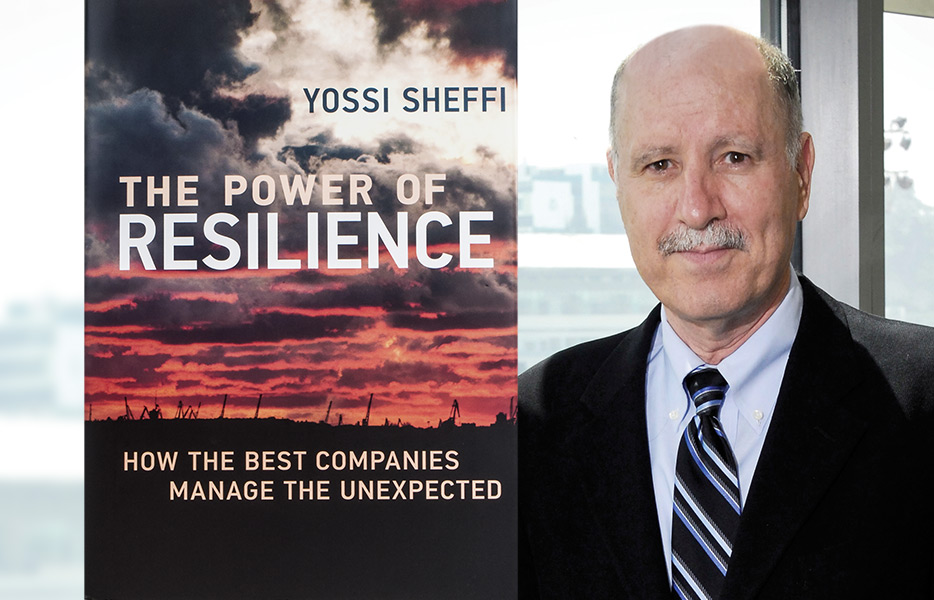
Most corporate managers and business school professors simply accept globalization as an unalloyed good. After all, if your goal is to sell more of something, more potential customers must be better than fewer. But although globalization does hold out the promise of boosting revenues, cutting costs, or both, it also exposes companies to all manner of new risks. Yossi Sheffi’s The Power of Resilience: How the Best Companies Manage the Unexpected (MIT Press, 2015), our choice for the best business book on strategy this year, does an excellent job of covering the most important of those risks as well as best practices in everything from preparation to monitoring to drawing up crisis playbooks. And it does so while focusing on a relatively obscure corporate competence: supply chains. An entire book on supply chains would seem to be a slog and particularly narrow. But The Power of Resilience is actually a bit of a page turner, with implications that go beyond tactics to strategy. Sheffi delivers exactly what his subtitle promises. He makes a compelling argument in support of proactive moves designed to enhance redundancy and flexibility, while swatting away superficial conclusions such as the idea that supply chain resiliency is an expensive option that pays off only in a disaster.
—Adapted from “Planning for Unpredictability,” by Duff McDonald

Economy

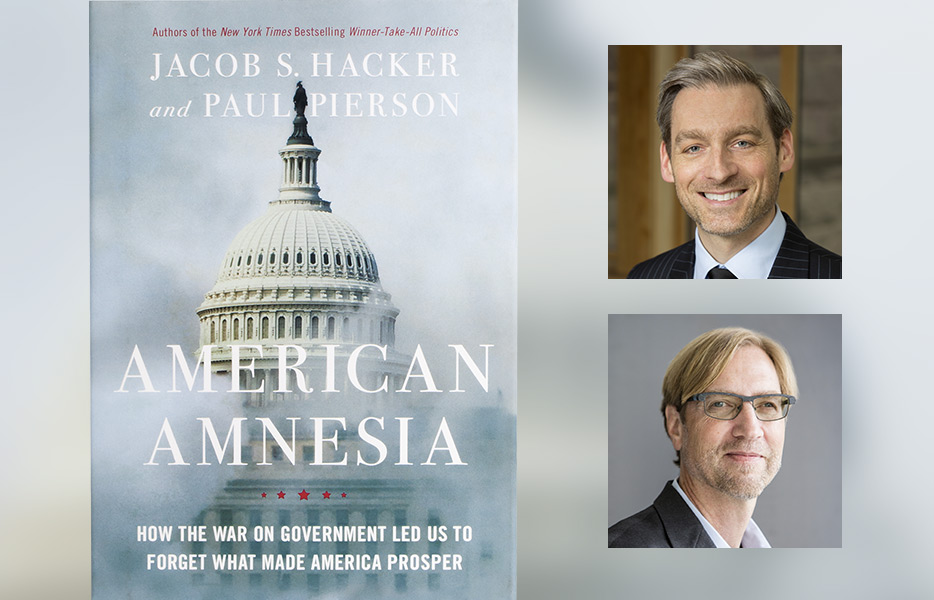
Up until 1980 it was taken for granted in the United States that the public and private sectors were partners in a project of equitable growth. It was never the case that the government needed to take control. And it was never the case that what the U.S. needed was to drown government in the bathtub and let laissez-faire rip. Rather, the government needed to do its proper job of clearing the ground, opening up the space, setting up the playing field and keeping it level, building the institutions, and providing whatever support it could that would greatly add value to private enterprise. While government does the blocking, private enterprise takes the ball and carries it forward at great speed. This is how the U.S. developed from a group of poor, disconnected, agrarian colonies into a powerful, industrialized, integrated nation.
But in American Amnesia: How the War on Government Led Us to Forget What Made America Prosper (Simon & Schuster, 2016), our choice for best business book of the year on the economy, Jacob S. Hacker and Paul Pierson argue that the U.S. fell prey to a fit of amnesia. Our political system forgot how things worked — and how they are supposed to work. Hacker and Pierson tell a compelling story of the descent of first American conservatism and then the Republican Party from pragmatic engagement to ideological echo chamber.
—Adapted from “The Crisis Is Over: Welcome to the New Crisis,” by J. Bradford DeLong
Fonte: Strategy